
Introduction of Homemade vs. Store-Bought Dog Food
Define the Health Topic
Your dog’s health and happiness depend on you giving them a healthy, well-balanced food. People who own pets are becoming more concerned about their health, which has led to a discussion about whether homemade or store-bought dog food is better. There are pros and cons to both choices, so it’s important to think about which is better for your pet.
Explain why and how it's important.
Whether you feed your dog handmade or store-bought food can have a big effect on its health. An unbalanced diet can lead to weight gain, not getting enough nutrients, and other health problems. By knowing the pros and cons of each choice, you can make an educated choice that will help your pet live a longer and better life.
Homemade Dog Food
Raw diets
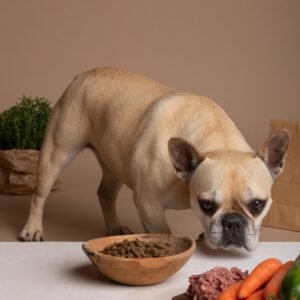
Raw meals for dogs usually include raw meat, bones, fruits, and veggies. Supporters say that raw food is similar to what wild dogs eat, which is good for them because it helps digestion, makes skin better, and gives them more energy. However, it requires careful treatment to avoid germ pollution and ensure nutrient balance.
Cooked Diets
Cooked homemade dog food includes making meals with ingredients like lean meats, grains, and veggies. This method allows for greater control over the ingredients and can be easier to digest than raw meals. The main challenge is ensuring the food meets all of the dog’s essential needs without professional direction.
Store-Bought Dog Food
Dry Kibble
Dry food is a handy and widely available choice. It usually includes a healthy mix of nutrients and has a long shelf life. However, not all food is made equal, and some brands may use low-quality ingredients or fillers that offer little nutritional value.
Canned Food
Canned dog food generally includes higher liquid content, which can be helpful for hydration and easy digestion. It often has a more appealing taste for dogs but can be more expensive and may spoil faster once opened.
Dehydrated and Freeze-Dried Food
Dehydrated and freeze-dried dog foods are lightweight, easy to store, and keep most nutrients due to minimal processing. These foods are rehydrated before serving, giving a middle ground between raw and cooked meals. The biggest downside is the cost, which can be significantly higher than kibble or canned food.
Fresh and Refrigerated Food
Fresh and cold dog foods are made from high-quality ingredients and often resemble cooked meals. They are barely made and must be kept cold. This choice offers great protein but can be expensive and less handy than shelf-stable goods

Symptoms and Signs
Indicators of a Healthy Diet
Shiny Coat
A shiny, healthy hair is one of the first signs of a well-balanced diet. Essential fatty acids, vitamins, and minerals add to a shiny look and decreased shedding.
Regular Bowel Movements
Consistent, hard stools suggest good processing and a healthy diet. Irregular or odd stools can be a sign of food problems or allergies.
High Energy Levels
Dogs with a good diet show higher energy levels and better general physical health. Lack of energy or sleepiness can point to food deficits or health problems.
Signs of Nutritional Deficiency
Dull Coat
A dull, dry coat can suggest a lack of important fatty acids, vitamins, or minerals in your dog’s food. Proper diet is important for keeping healthy skin and fur.
Digestive Issues
Frequent diarrhea, constipation, or puking are red signs of dietary problems or food intolerances. Monitoring your dog’s stomach helps catch and address these problems early.
Lethargy
Unusual tiredness or lack of interest in activities can be signs of poor diet. Ensuring a healthy meal with all necessary nutrients helps your dog’s energy and vigor.
Causes and Risk Factors
Factors Leading to Dietary Choices
Convenience
Busy lives often lead pet owners to choose store-bought dog food for its ease. These goods are easy to store, serve, and require no preparation time.
Cost
Budget limits can influence the choice between homemade and store-bought food. Store-bought choices, especially food, can be more affordable, while homemade meals often require higher upfront costs.
Perceived Quality
Some pet owners think handmade meals offer better quality nutrition since they control the ingredients. Conversely, others believe commercial brands for their carefully made recipes.
Risk Factors of Improper Diet
Nutrient Imbalances
Homemade meals can easily become uneven without proper understanding of canine nutrition. Store-bought foods are made to meet specific health standards, but not all brands keep good quality.
Contamination
Raw meals face a risk of germ pollution, which can harm both cats and their owners. Proper treatment and sourcing of products are crucial to minimize this risk.
Allergies and Sensitivities
Dogs can develop allergies or reactions to certain ingredients in both homemade and store-bought foods. Identifying and avoiding these allergens is important for your dog’s health.
Diagnosis and Tests
Veterinary Nutritional Assessment
Blood Tests
Veterinarians can perform blood tests to check for nutritional deficits or imbalances, giving insights into your dog’s food needs and general health.
Stool Analysis
Analyzing your dog’s stool helps spot stomach issues, parasites, or other problems related to food. It offers useful knowledge for changing their food intake.
Skin and Coat Examination
A careful study of your dog’s skin and coat can show signs of nutritional shortages, allergies, or other health problems, directing food changes.
Home Testing Methods
Observation
Carefully watching your dog’s behavior, energy levels, and physical state helps discover early signs of food problems. Regular tracking is key to keeping their health.
Food Trials
Conducting food experiments by adding new ingredients gradually helps spot allergies or intolerance. Monitoring your dog’s behavior to different things aids in picking the best diet.
Treatment Options
Adjusting Diet Based on Nutritional Needs
Modifying your dog’s food to meet their unique nutritional needs includes combining proteins, fats, sugars, vitamins, and minerals. Consulting with a doctor or pet nutritionist ensures proper changes.
Supplementation
Adding vitamins to your dog’s food can address specific deficits. Omega-3 fatty acids, probiotics, and multivitamins are popular products that support general health.
Veterinary-Prescribed Diets
In some cases, vets recommend specific diets to handle health problems like kidney disease, diabetes, or food allergies. These meals are designed to meet your dog’s unique needs.
Preventive Measures
Ensuring Balanced Nutrition
Providing a well-rounded meal with all important nutrients helps prevent health problems. Researching and planning meals, whether homemade or store-bought, is crucial for your dog’s well-being.
Regular Veterinary Check-Ups
Routine medical checkups allow for early identification and treatment of dietary-related health problems. Regular check-ups ensure your dog keeps good health.
Educating Yourself on Pet Nutrition
Learning about canine nutrition helps you make informed decisions about your dog’s food. Reliable tools and expert help add to a better understanding of your pet’s food needs.
Personal Stories or Case Studies
Case Study 1: Transitioning from Store-Bought to Homemade
One pet owner’s path of moving from commercial food to a handmade diet shows the benefits and difficulties faced. This story offers insights into the transfer process and its effect on their dog’s health.
Case Study 2: Managing Allergies with a Homemade Diet
A case study of a dog with serious food allergies shows how a carefully planned homemade diet helped ease symptoms. The owner’s commitment to getting the right fixings made a major difference.
Case Study 3: Success with Store-Bought Diets
An story of a pet owner who found success with high-quality commercial dog food stresses the importance of picking reliable brands. Their dog’s better health and energy levels underscore the benefits of store-bought choices.
Expert Insights
Veterinarian Perspectives
Veterinarians offer professional help on picking between homemade and store-bought dog food, stressing key factors and typical mistakes.
Nutritionist Recommendations
Pet nutritionists provide tips for making healthy handmade meals and picking high-quality commercial foods. Their knowledge ensures your dog gets optimal nutrients.
Pet Owner Experiences
Hearing from other pet parents about their experiences with different meals can offer useful tips and encouragement. Real-life stories provide useful views on the pros and cons of each choice.
Conclusion
Summary of Key Points
Choosing between homemade and store-bought dog food relies on various factors, including ease, cost, and your dog’s individual needs. Both choices have their benefits and possible downsides, making it important to consider all aspects before choosing.
Call to Action for Further Education
Continuing to educate yourself on pet diet is important for your dog’s health and happiness. Consult with pros, stay updated about the latest study, and make changes as needed to ensure your pet grows.






2 thoughts on “Homemade vs. Store-Bought Dog Food: Which is Better for Your Pet”