
Introduction
Walking your dog every day is more than just a job; it’s important for their health happiness and psychological well-being. Dog walking every day gives your furry friend exercise keeps you from getting fat keeps your mind active and makes the bond between you and your furry friend stronger. This article will talk about ten important dog walking tips that every pet owner should know in order to make walks safe fun and good for both you and your dog.
How to Know What Your Dog Needs
Exercise Needs Based on Breed
Dogs of different breeds need different amounts of exercise. As an example a Border Collie needs more intense exercise than a Basset Hound. Knowing the unique needs of your dog’s breed will help you make sure that your daily routine meets those needs.
Thoughts on Age and Health
Puppies have endless energy but shouldn’t be over-exercised to avoid joint damage. Dogs who are older might need shorter slower walks. Always think your dog’s age and health changing the time and volume of walks appropriately.
Behavioral Needs
Dogs have natural traits that affect their behavior. Breeds that herd may have a strong drive to chase while hunting breeds may be interested in discovering smells. Recognizing these impulses can make walks more fun by adding activities that satisfy their natural behaviors.

Preparing for the Walk
Choosing the Right Leash and Collar
Selecting the proper leash and collar is important. A normal 6-foot leash and a comfy properly fitting collar or lead are ideal for most dogs. For dogs that pull a no-pull collar can help handle their behavior.
Essential Walking Gear
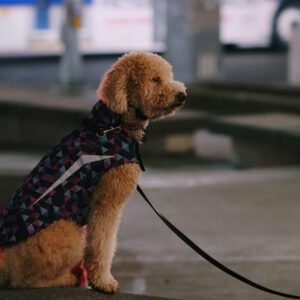
Getting the right gear can make walks more enjoyable. Items include poop bags a movable water bowl and snacks r toys. In winter consider a dog jacket and in the summertime paw safety might be necessary to avoid burns from hot ground.
Hydration and Snacks
Continuously bring water for your dog particularly when taking longer walks or during summertime. Treats can be used for teaching or to praise good behavior but avoid overfeeding to keep a healthy diet.
Safety First
Identifying Safe Walking Routes
Choose paths that are secure and free from heavy traffic. Parks walks and quiet areas are ideal. Always be aware of the environment and possible dangers like broken glass or violent dogs.
Weather Considerations
Bad weather can affect your dog’s health. In the summertime walk during cooler parts of the day and avoid hot sidewalks. In wintertime limit exposure and consider protection gear for your dog.
Route and Traffic Safety
Always keep your dog on a leash near roads and use crosswalks. Train your dog to sit at stops and be careful around traffic. Reflective gear can improve exposure during sunrise or evening walks.
Leash Training Tips
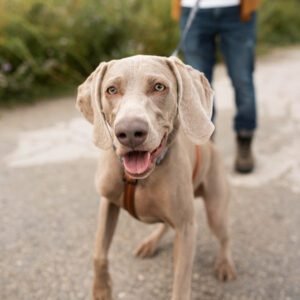
Start learning to walk on leashes early and be constant. Train your dog to walk next to you without pulling. Use orders like “heel” and reward good behavior with treats and praise.
Commands Every Dog Should Know
Basic instructions such as “sit” “stay” “come” and “leave it” are important for safety and control during walks. Practice these orders regularly to ensure your dog reacts consistently.
Positive Reinforcement Techniques
Positive reward using treats and praise is the most effective way to train your dog. Reward good behavior regularly to encourage desired actions and build a positive link with walking.
Socialization
Meeting Other Dogs
Proper education helps your dog engage calmly and easily with other dogs. Allow limited meetings and monitor exchanges to prevent confrontations
Interacting with People
Train your dog to meet people properly is important. Encourage calm behavior and avoid jumping or yelling. Reward your dog for sitting peacefully during welcomes.
Avoiding Common Socialization Mistakes
Avoid overloading your dog with too many new events at once. Gradual introduction to different settings people and animals will help build their confidence and social skills.
Health and Hygiene
Regular Vet Check-Ups
Regular medical check-ups ensures your dog is healthy and up-to-date on vaccines. Discuss any health issues and get tips on training plans fit for your dog’s age and breed.
Flea and Tick Prevention
Use preventative measures to protect your dog from fleas and bugs which can be picked up during walks. Check your dog’s hair regularly particularly after walks in wooded or open places.
Cleaning Up After Your Dog
Always carry poop bags and clean up after your dog to keep cleanliness and be a good pet owner. Dispose of trash properly to avoid the spread of disease.
Understanding Dog Behavior
Reading Your Dog's Body Language
Understanding your dog’s body expression can avoid possible problems and ensure a good walking experience. Learn to spot signs of worry joy or violence.
Handling Aggressive Behavior
If your dog shows signs of violence such as barking or lunging gently remove them from the setting. Consult a skilled teacher or behaviorist for help with handling violent behavior.
Dealing with Anxiety
Some dogs may experience nervousness during walks due to noise new surroundings or past pain. Gradual contact and positive feedback can help lessen nervousness. Consider using relaxing tools if necessary.
Understanding Dog Behavior
Reading Your Dog's Body Language
Understanding your dog’s body expression can avoid possible problems and ensure a good walking experience. Learn to spot signs of worry joy or violence.
Handling Aggressive Behavior
If your dog shows signs of violence such as barking or lunging gently remove them from the setting. Consult a skilled teacher or behaviorist for help with handling violent behavior.
Dealing with Anxiety
Some dogs may experience nervousness during walks due to noise new surroundings or past pain. Gradual contact and positive feedback can help lessen nervousness. Consider using relaxing tools if necessary.
Making Walks Enjoyable
Varying Your Routes
Changing your daily routes makes things interesting for your dog. New sights sounds and smells provide mental excitement and avoid boredom.
Incorporating Playtime
Integrate fun into your walks. Bring a ball or toy and find a safe place where your dog can run and play. This adds change and energy to their routine.
Using Walk Time for Training
Use your walks as a chance to repeat training orders. Practice training skills in different settings to ensure your dog acts well in various situations.
Advanced Walking Techniques
Off-Leash Walking
If your dog has good recall and there are safe marked places off-leash walking can provide greater freedom and exercise. Always follow area laws and ensure your dog is under control.
Running with Your Dog
Jogging can be a great way to train both you and your dog. Start slowly and build up stamina. Use a hands-free leash for ease and ensure the ground is safe.
Hiking and Adventure Walks
Hiking offers an excellent workout and new adventures for your dog. Choose dog-friendly walks and be prepared with basics like water snacks and a first-aid kit.
After read this you also like Adopting Vs Buying A Dog: Which is One is Better?
The regularity of walks relies on your dog’s breed age and health. Generally most dogs benefit from at least one walk per day with busy breeds needing more frequent or longer walks.
If your dog pulls on the leash stop going and wait for them to calm down. Resume walking when the leash is loose. Consistent teaching and good feedback can help fix this habit.
Walking your dog at night can be safe if you take steps. Use bright gear stick to well-lit areas and stay alert to your surroundings. A flashlight can also improve vision.

4 thoughts on “10 Dog Walking Tips Every Pet Owner Needs to Know!”